The Power of Art
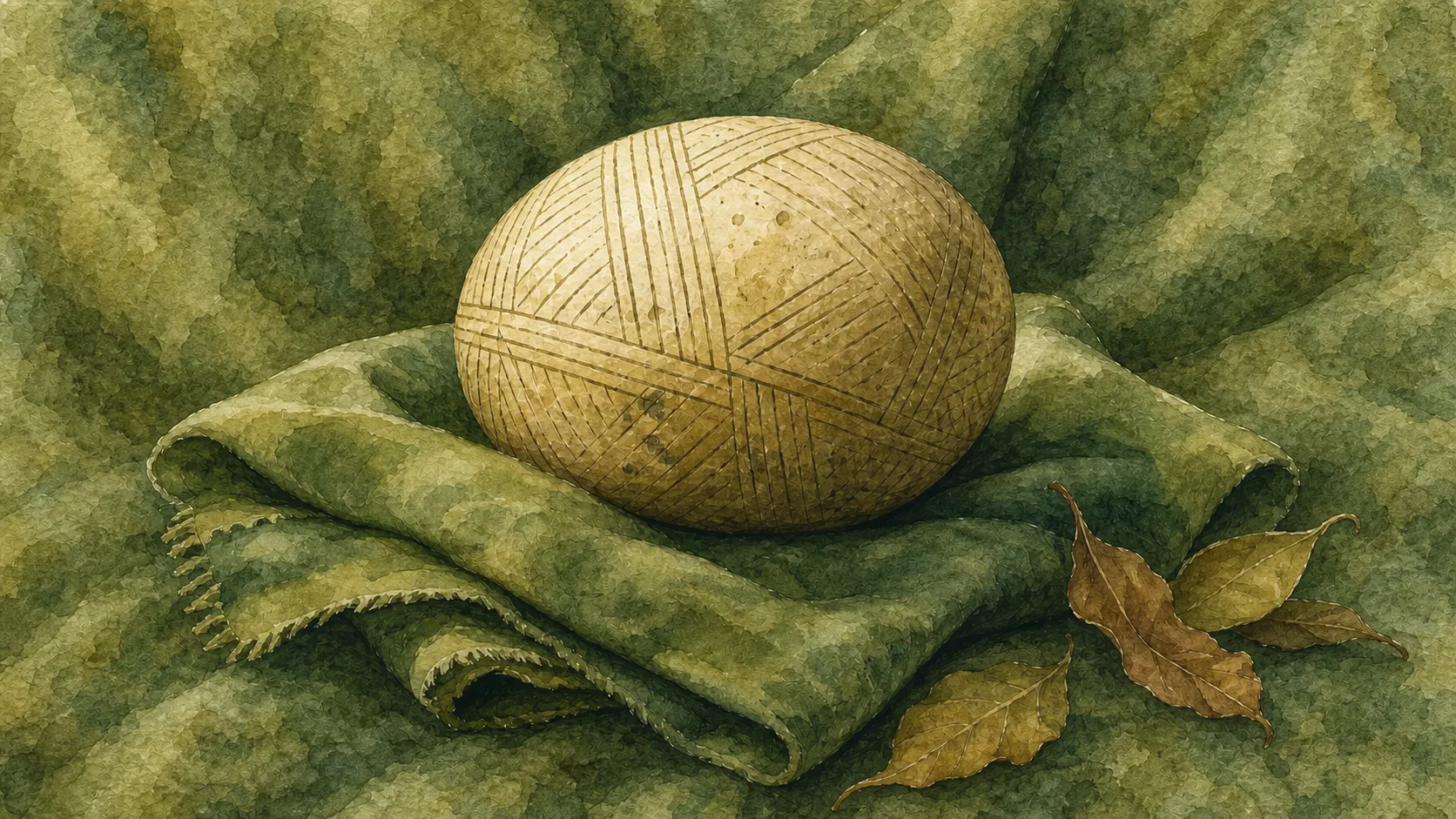
Did you know that experiencing art is good for your mental health? Viewing art, making art, surrounding yourself with beauty and your personal aesthetic is good for you! This is neuroaesthetics. Neuroaesthetics is the scientific study of aesthetic experiences, such as beauty, art, music, creativity and nature, and how it has a powerful impact on our brain and body. Creating, observing and interacting with art results in reduced cortisol levels (stress hormones). Though the term may be new, this concept has been around for far longer. 50,000 years ago, adornment on faces was documented by anthropologists in order to increase mating opportunities. Our ancestors carved patterns into ostrich shells 85,000 years ago and over 500,000 years ago, we made tools that were more symmetrical than necessary. Dr. Swart explains that people who engage with the arts and culture every 2-3 months reduce their risk of early death by 31%, and people who engage just once or twice a year lower the risk by 14%.
Nature, the Natural Neuroaesthetics
Yes, the planet we share is naturally a beautiful wonder. Surrounding yourself from the natural colors of Earth has incredible benefits to the brain. A 1964 study conducted by neuroscientist Marian Diamond found that if we do not expose ourselves to novelty, beauty, curiosity, or bring nature into our home environment, we may be shrinking our own brains.
Ecotherapy
Ecotherapy is a broad term for therapeutic practices that use direct exposure with nature to support our mental and physical health. It’s rooted in a simple idea: humans are part of natural ecosystems, not separate from them, and reconnecting with the natural world can aid in healing– sound familiar? Indigenous peoples have been modeling this for thousands of years! In a nutshell, the more time you spend in nature, or reconnecting back to yourself, the healthier you will be.
What is Art Therapy?
The American Art Therapy Association defines art therapy as a “mental health profession that enriches the lives of individuals, families, and communities through active art-making, creative process, applied psychological theory, and human experience within a psychotherapeutic relationship.” When people are struggling and when words or language fail them, art can be a vehicle which supports clients to express themselves in ways beyond words or language, as well as contain the vastness of our emotions. Artistic expression has been the universal language that spans through all cultures throughout all communities.
Art therapists are trained in art and psychological theory and can help clients integrate nonverbal cues and metaphors that are often expressed through the creative process, which can help people from all age groups, all communication levels, and neurodiversity.
Who are Art Therapists?
In the western world, Art therapists are credentialed mental health professionals. They are trained in a broad range of psychological theory and ways to use art media and creative processes to help people cope with mental health challenges. Art therapists hold Masters–level or higher degrees.
On the broader scale– grandmothers who cooked nourishing meals for her family– the basket weavers from remote villages– the mothers who sang lullabies – our elder storytellers around fires– all technically achieve what functions as “art therapy”— creating connection through creativity, despite the modality.
Why is Art Therapy Effective?
According to western psychological research, art therapy helps people feel more in control of their own lives, and helps relieve anxiety and depression, including among cancer patients, tuberculosis patients in isolation, and military veterans with PTSD, to name a few. In addition, art therapy assists in managing pain by moving mental focus away from the painful stimulus.
According to practice-based knowledge across generations of various cultures, art making bridges connections within ourselves and externally outside of ourselves. Art therapy is much more about the process of art making and less about the end product, though the end product can allow our curiosities to wonder what the deeper unconscious parts are trying to tell us. The process allows the creator to get outside their comfort zone, access inner curiosity, and discover something about themselves or their world through the art making process.
Do You Have to be Good at Art?
You don’t have to be an artist or even “artsy” to make art. Everyone is creative – and we all remember making art as children.
In art therapy sessions, the art therapist may encourage you to try different art media such as color pencils, paints, clay, and collage. Sometimes non–traditional art materials (e.g. tree branches and leaves) are intentionally introduced to you in order to expand your creative expression. You may also explore different styles of expression, using doodling, abstract designs, and contour drawing. Art therapists are trained to facilitate a type of art making for your specific needs.
Beyond Art Therapy
Art therapy isn’t always the answer for everyone. Here are other creative outlets that can support your well-being:
- Bring nature indoors
- Sing in the shower (the more off key, the better)
- Dance
- Visit a gallery, sculpture park or street murals
- Listen to uplifting music
- Read fiction (it creates the connection between the right and left halves of the brain and makes you better at problem solving)
- Dress creatively: self expression is a form of creativity
- Take a nature walk
- Reconnect with childhood joys
References
- Dr. Tara Swart, 2025 Oxford’s Trauma Conference
- What is Ecotherapy? Types, Benefits and More — scienceinsights.org