
Spending Less Will Save Us
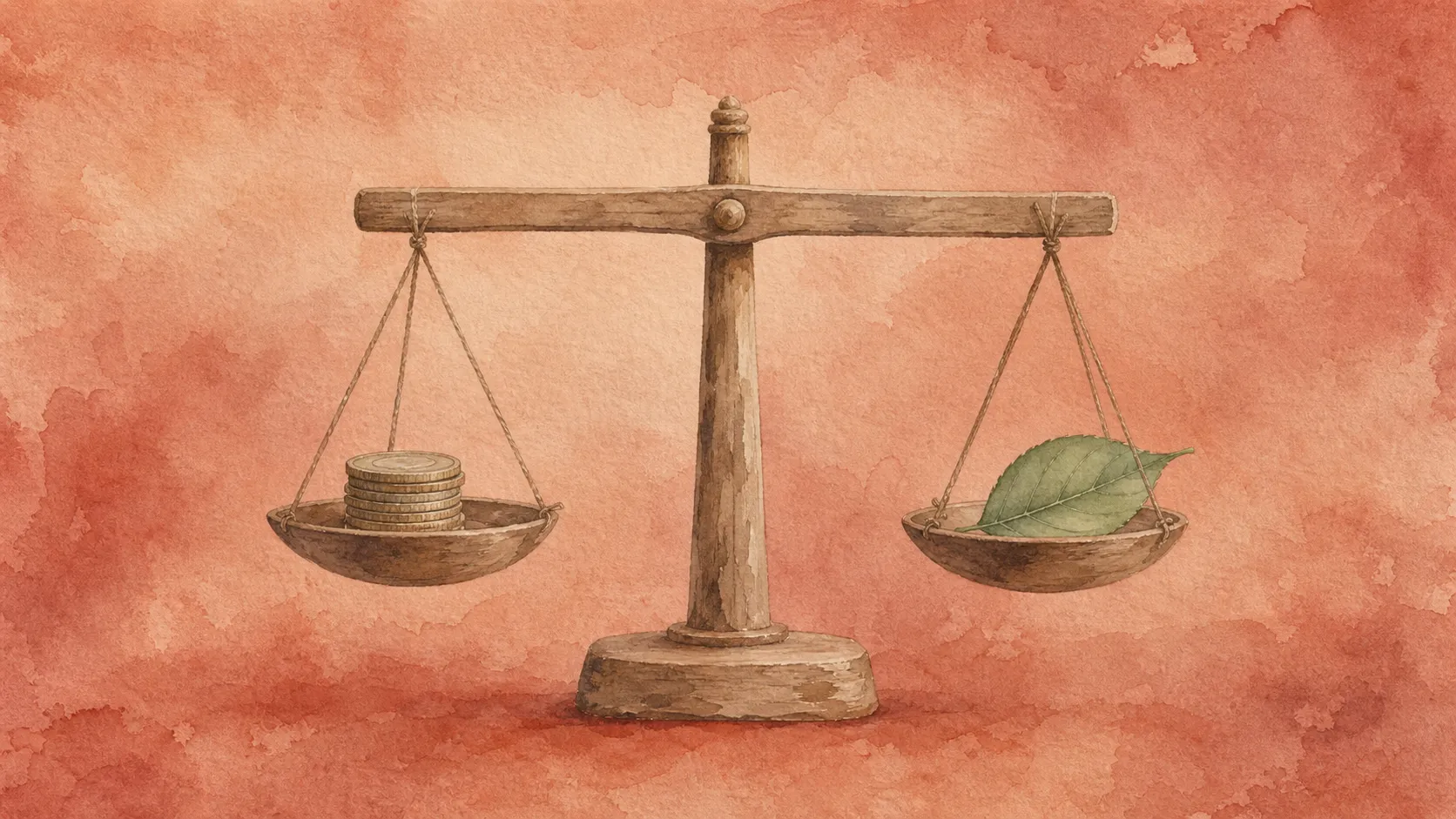
How does mentioning our economic structure have anything to do with mental health? In a nutshell, each and every one of us are inextricably linked with what happens on larger scales within the social, economic and political stages. Do you remember the 2020 global COVID pandemic? That is just one of a multitude of examples of how larger systems affect our daily lives, including our mental health.
In Jason Hickel’s "Less is More", it challenges the dominant economic framework of endless growth, arguing that this approach is leading to ecological and social catastrophe. Hickel, an economic anthropologist, makes the case for degrowth, a shift towards an economy that prioritizes ecological stability, well-being, and social equity over the traditional focus on Gross Domestic Product (GDP) growth.
Rethinking Economic Growth
Hickel explains how the obsession with GDP growth drives unsustainable exploitation of natural resources, leading to environmental degradation, biodiversity loss, and climate change. Capitalism and industrialization have locked economies into a cycle of overproduction and overconsumption, benefiting a small elite while exacerbating inequality.
Ecological Limits
The book emphasizes that the Earth has finite resources and that infinite growth on a finite planet is impossible. Hickel presents data showing how current levels of consumption are already surpassing planetary boundaries, threatening the stability of ecosystems that sustain human life.
Alternative to Capitalism: Degrowth
Degrowth is not about austerity or reducing quality of life, but rather about scaling down excess production and consumption in wealthy nations while redistributing resources more equitably. Hickel argues that societies can thrive with less, focusing on public goods, shorter working hours, and community-based economies.
Redefining Wealth
Hickel challenges the notion that wealth equates to material accumulation. Instead, he advocates for a redefinition of prosperity centered on human well-being, health, education, and social connection.
Vision for the Future
The book concludes with an optimistic vision of a post-growth society where economies are designed to serve people and the planet, rather than endless profit.
References
- Hickel, J. (2020). Less is More: How Degrowth Will Save The World. Windmill Books.